Hydroxylamine sulfate
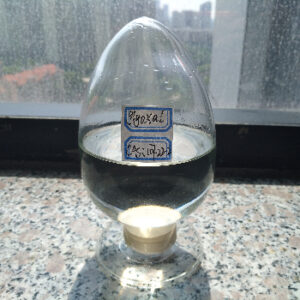
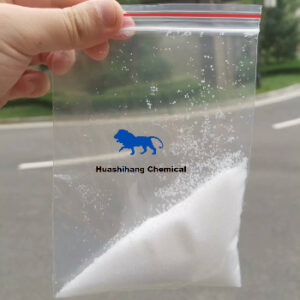
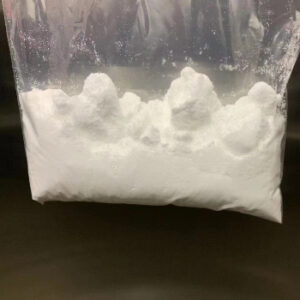
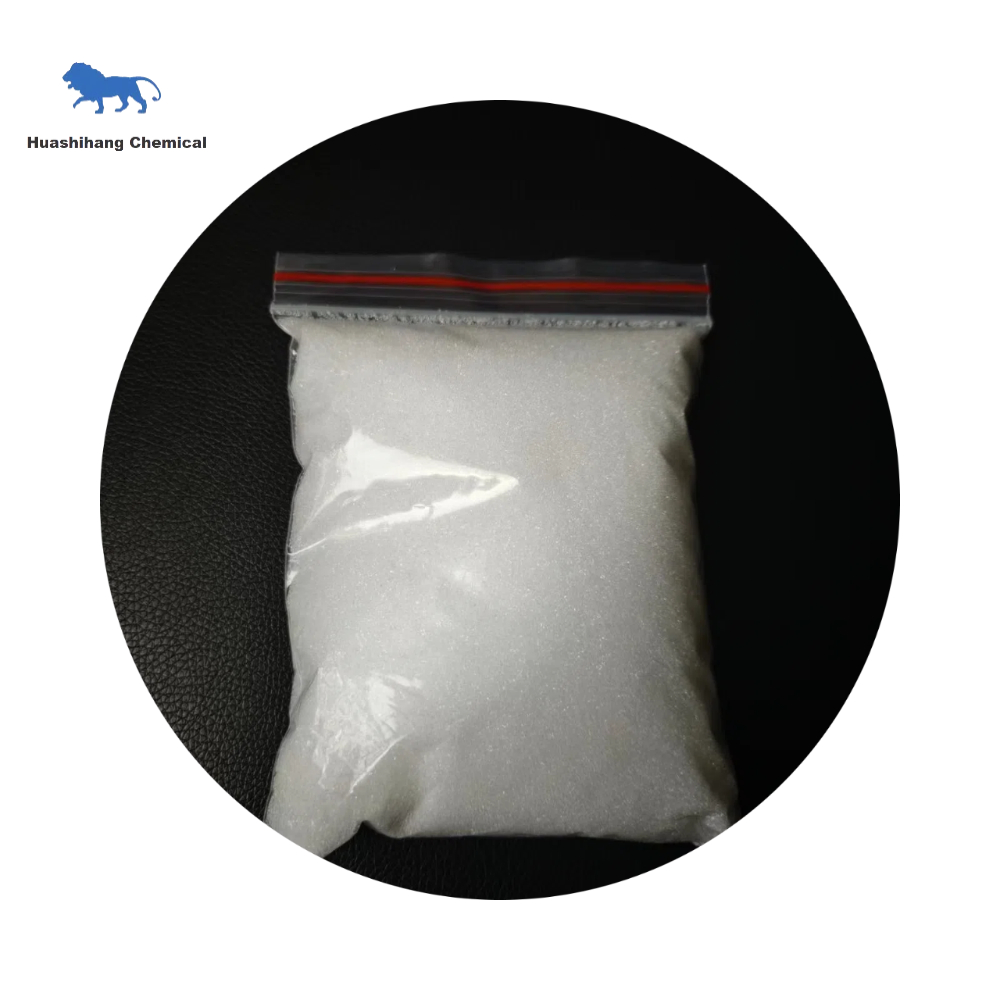
Hydroxylamine Sulfate CAS 10039-54-0 is a white crystalline powder, highly soluble in water and a potent reducing agent. It’s a core intermediate for pharmaceuticals and agrochemicals, widely applied in organic synthesis, rubber antioxidation, water dechlorination, and as a stabilizer for photographic developers.
Hydroxylamine Sulfate overview
Product name Hydroxylamine sulfate
Synonyms Hydroxylammonium Sulfate; Oxammonium sulfate
CAS No. 10039-54-0
Chemical Formula H2O4S.2H3NO
EINECS 233-118-8
Molecular Weight 164.14
Solubility It is readily soluble in water and slightly soluble in ethanol
and methanol.
Category pharmaceutical
Specification
| Item | Specification |
| Appearance | White fine crystallization |
| Assay | ≥99.00% |
| Heavy metals(pb) | ≤0.0003% |
| Iron(fe) | ≤0.0005% |
| Dry reduction | ≤0.30% |
| Residue on ignition | ≤0.0050% |
| Chloride(cl) | ≤0.0005% |
Packing
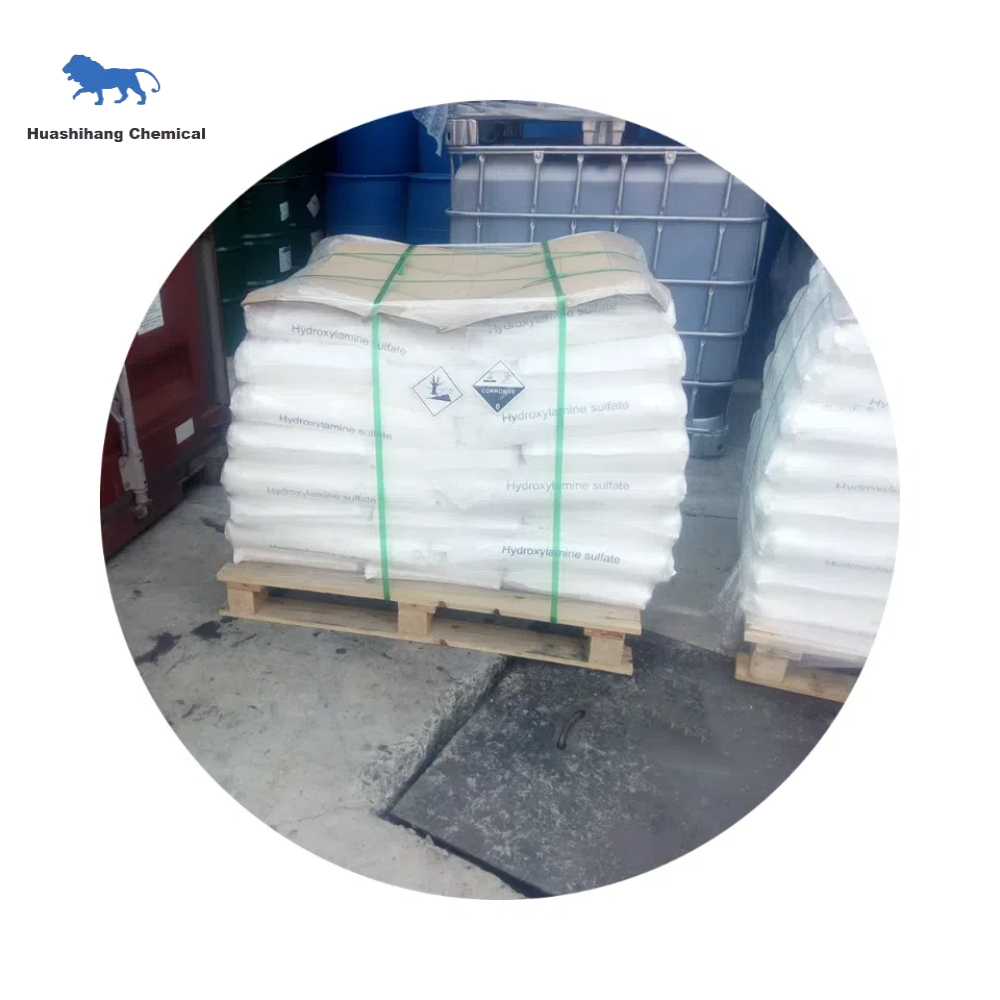
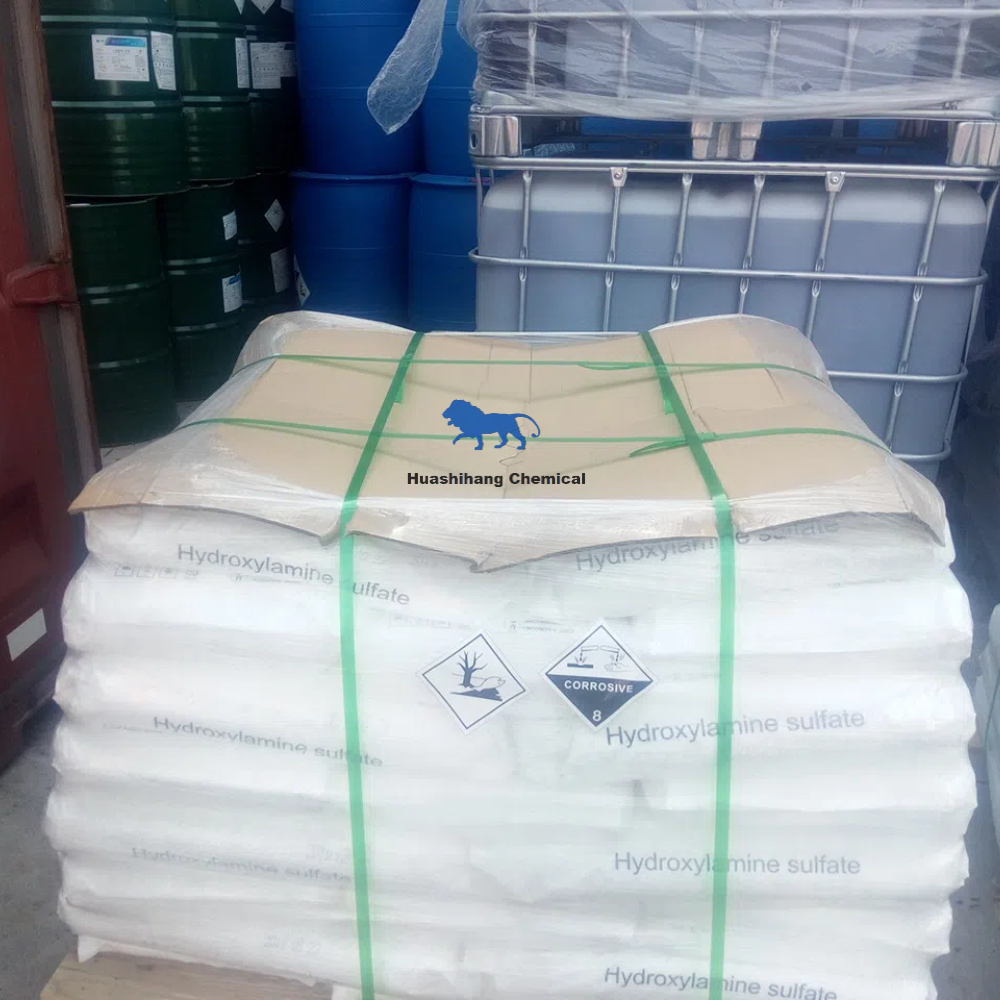
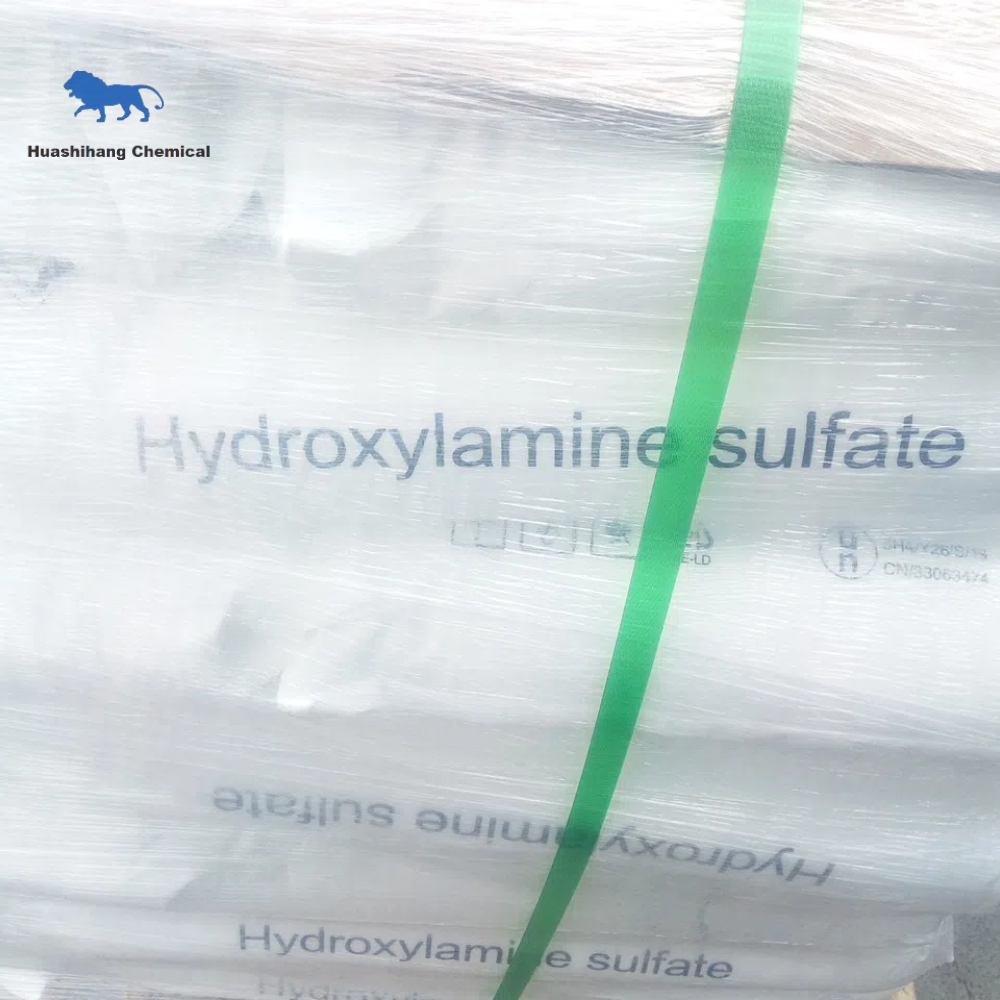
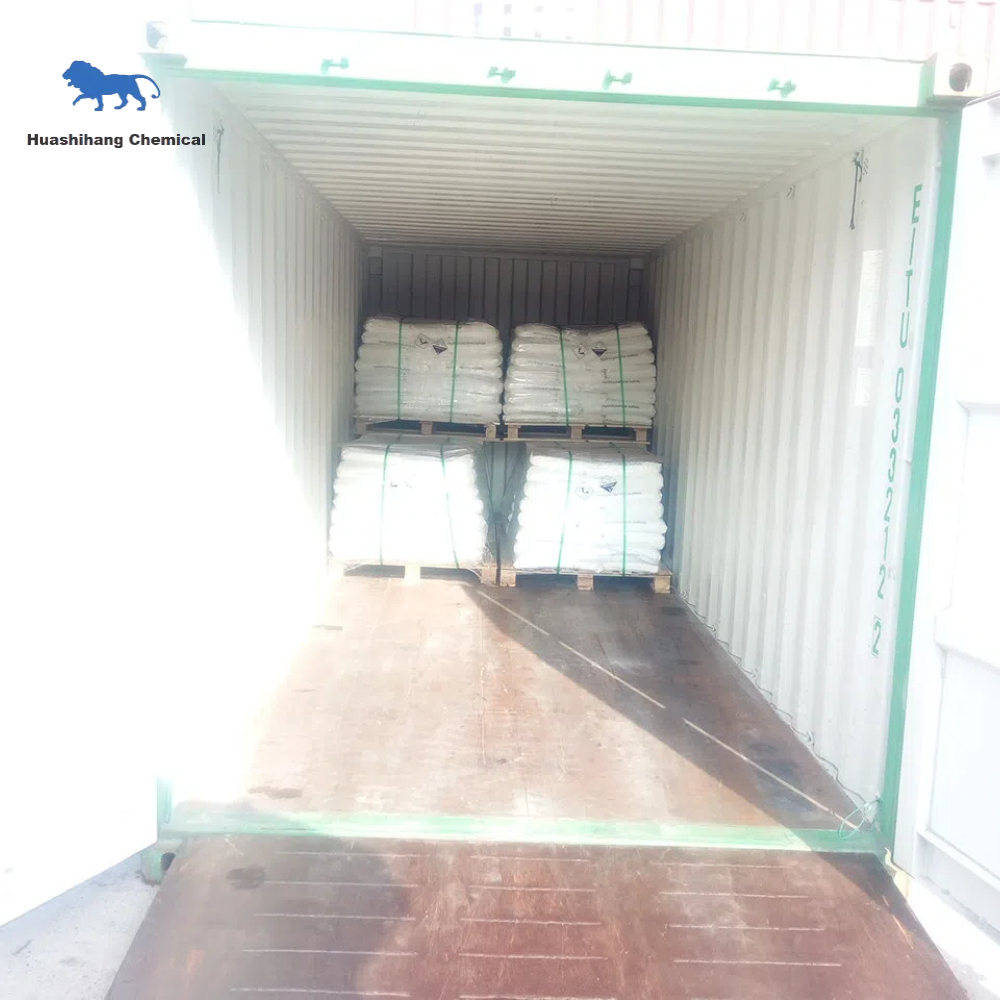
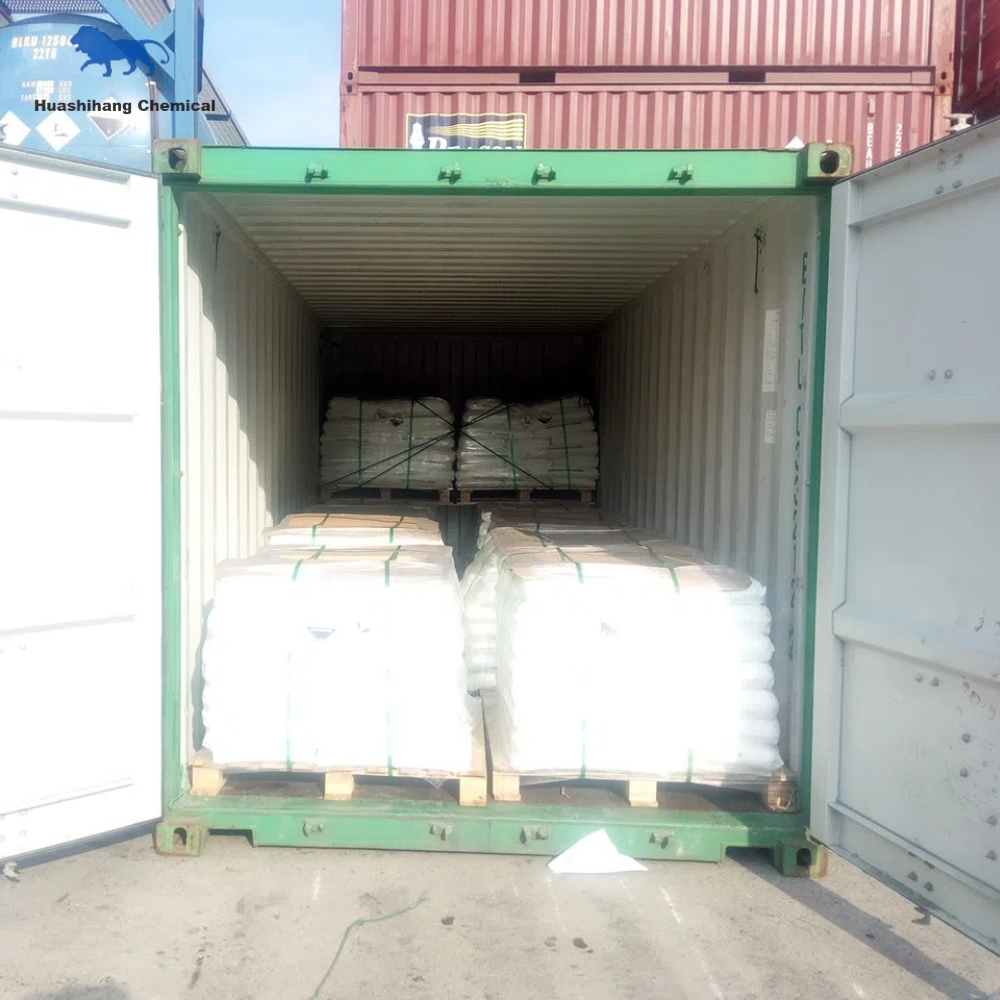
25kg/bag
Use
Hydroxylamine sulfate is a critical pharmaceutical intermediate that underpins the synthesis of a broad spectrum of life-saving and therapeutic drugs. As a selective reducing agent, it enables key reductive amination reactions in the production of antibiotics (including cephalosporin and penicillin derivatives) and essential vitamins such as vitamin B6, helping to improve both the yield and purity of these pharmaceutical products. Beyond healthcare, this compound is a foundational raw material in the manufacturing of caprolactam—a cyclic amide that acts as the primary monomer for nylon-6 polymerization. Nylon-6, in turn, is widely used in textiles, engineering plastics, and automotive components, making hydroxylamine sulfate an indirect driver of the global polymer and manufacturing industries.
As a mild yet effective reducing agent, it plays a pivotal role in organic synthesis by selectively converting nitro compounds to primary amines, and aldehydes/ketones to their corresponding alcohols. This targeted reduction minimizes side reactions, making it ideal for producing agrochemical intermediates, specialty dyes, and fine chemical building blocks.
In the microelectronics sector, this chemical has emerged as a vital agent for cleaning and etching silicon wafers during semiconductor manufacturing. It efficiently removes residual thermal oxide layers and trace metal contaminants from wafer surfaces, which are critical for enhancing surface smoothness and reducing defect rates. By refining wafer quality, it directly contributes to higher chip yield, improved electrical performance, and greater reliability of advanced microchips used in consumer electronics, data centers, and automotive systems.